From roughly September to December Nha Trang is in its rainy season, heaviest in October and November. This is also typhoon season for the south-central coast. The real question is not whether it will rain but what the rain breaks.
The first thing it breaks is the island tour. Rain itself is fine; rough water is not, and the boats stop — usually decided the same morning. If your whole trip is built around snorkelling at Hon Mun, the wet season is a genuine gamble.
What it doesn’t break is more than people expect. The rain here tends to arrive in bursts and stop, rather than drizzling all day. Between them the city goes about its business.
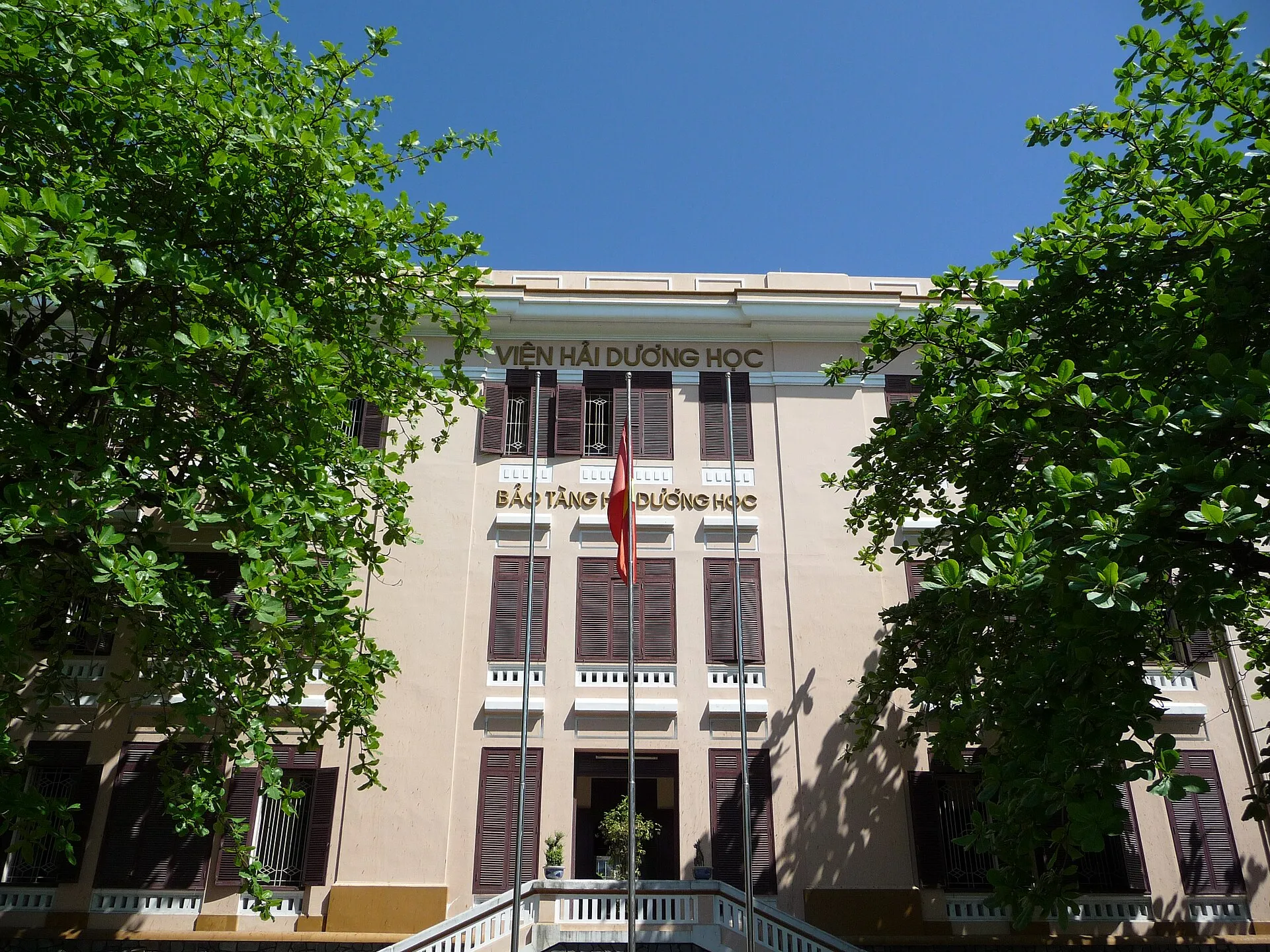
Places the weather cannot touch: the Institute of Oceanography, with its tanks and indoor specimen halls; the Yersin Museum; Long Son Pagoda and the Stone Church, both fine under an umbrella; Dam Market, which is roofed. The food scene is entirely unaffected — and quieter.
There are things the dry season doesn’t offer: noticeably lower room rates, empty beaches, and the western hills turning green after rain. Yang Bay carries far more water in these months — which is also why you follow the site’s guidance on whether the pools are open.
If you go: keep the itinerary loose, don’t put the island day last, bring sandals you don’t mind soaking, and watch the storm forecast rather than only the rain forecast. They are not the same thing.